Begin with a particular dish and source
Mexico's food traditions are regional and deeply connected to the people who grow, prepare and share them. UNESCO's description of traditional Mexican cuisine identifies corn, beans and chile as central ingredients and emphasizes community knowledge and techniques. That is a better frame than assuming every Mexican meal is a taco with the same filling and jarred sauce.
Choose a recipe from a cook who explains where it comes from and how it is made. Read the whole method before shopping. If the recipe uses a particular chile, masa harina or cooking vessel, decide whether you can find it or whether a different recipe is a better fit. Calling a major substitution authentic can erase the work behind the original dish; it is fine to say your version is inspired by it.
For an approachable meal, pick one component to make carefully and keep the others simple. Homemade tortillas with canned beans and a fresh salsa can be satisfying. On another day, cook beans from dry and use good purchased tortillas. Trying three unfamiliar techniques at once makes it harder to learn what worked.
Treat tortillas as part of the meal
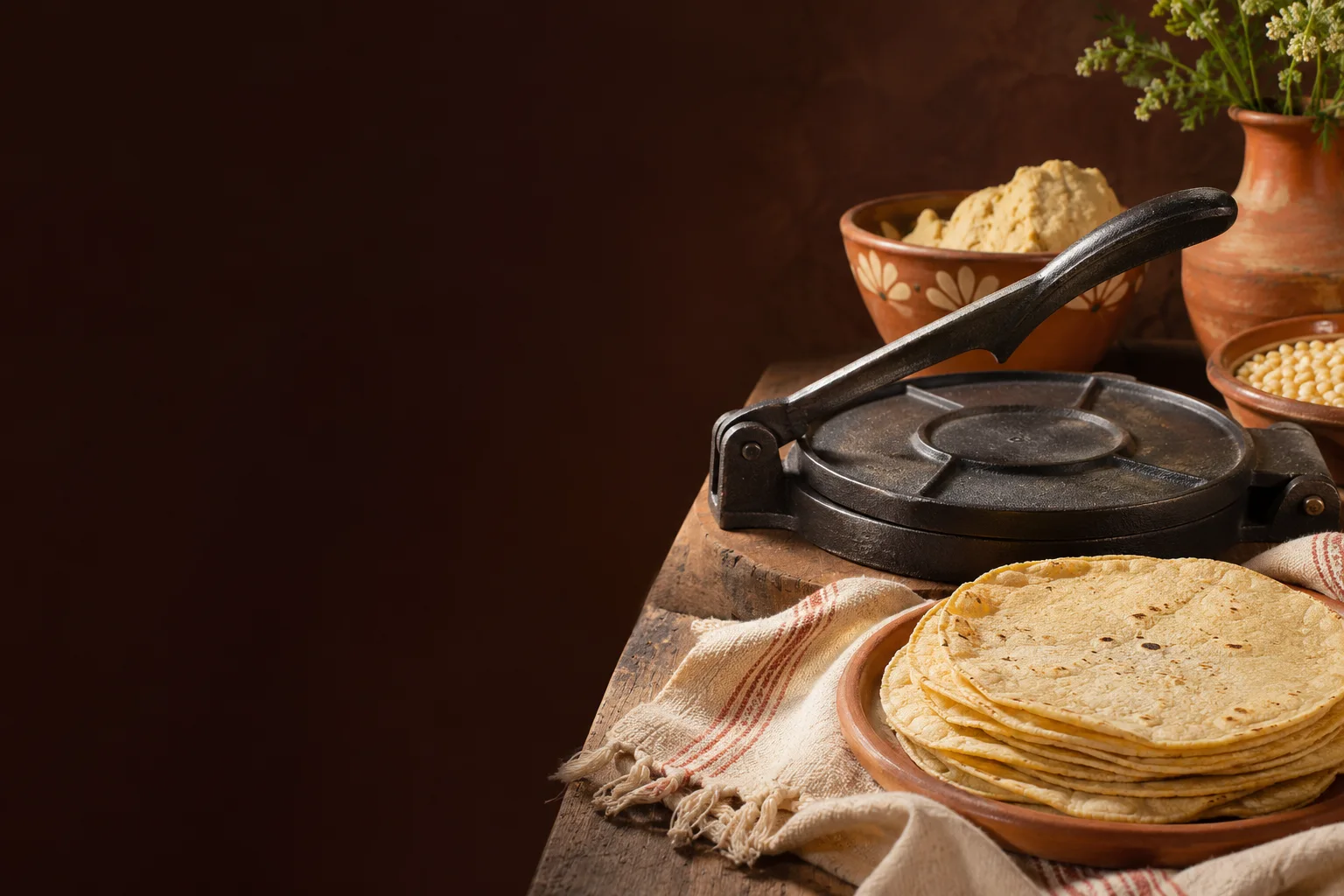
Corn tortillas are made from masa, not ordinary dry cornmeal. If you want to make them, follow a complete method such as Pati Jinich's homemade corn tortillas, which gives ingredient amounts, dough texture cues, pressing and cooking steps. The texture of the dough matters: too dry and it cracks, too wet and it sticks. Her recipe explains how to adjust it in small amounts.
You do not need to make tortillas to enjoy a good dinner. Warm purchased tortillas according to the package and keep them covered so they remain pliable. Check whether the recipe calls for corn or flour tortillas; they have different textures and can change the dish. A well-prepared filling deserves a tortilla that suits it.
If you are making tortillas for a group, cook a small test one before shaping the whole batch. Set up a clean cloth or covered container for the finished stack, and keep the hot cooking surface clear of other ingredients. Our tortilla press guide compares formats if you find yourself making them often, but a first attempt can follow the recipe's equipment guidance.
Cook beans with a plan for leftovers
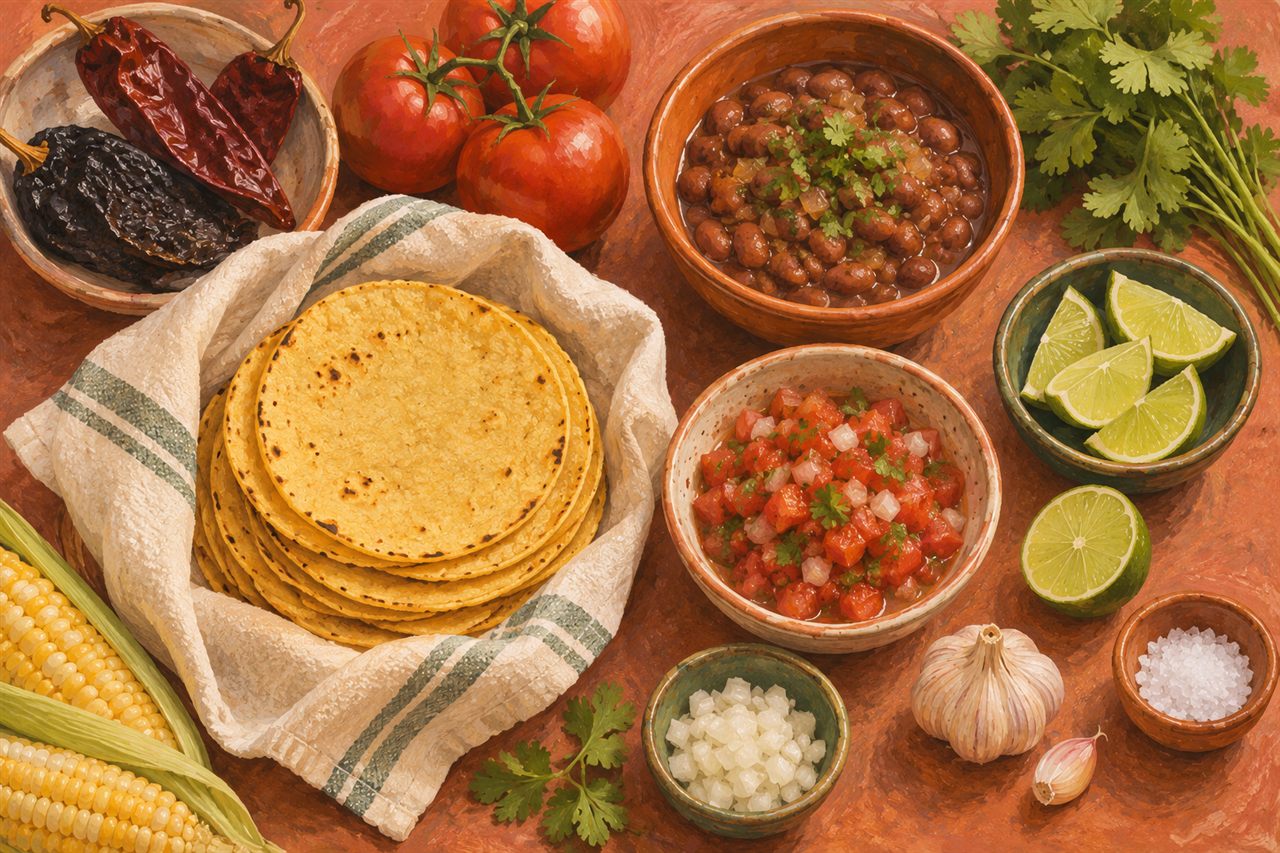
Beans can be the main filling, a side or the base for another dish. Pati Jinich's frijoles de olla offers a complete approach to beans from the pot. Follow its bean type, water and seasoning instructions rather than treating all dried beans as identical. If time is short, canned beans can simplify the meal; drain or season them as the dish requires.
Dried beans need enough time to cook fully. The University of Nebraska's bean-cooking guide explains stovetop and pressure-cooker methods and advises refrigerating cooked beans in shallow containers if they are not eaten right away. Make a batch only if you have a plan to use or freeze the extra.
Keep the texture in mind. Whole beans with some cooking liquid suit a bowl; a thicker mixture can support a tortilla filling. Taste and season at the stage the recipe specifies. Add fresh garnishes at serving rather than leaving cut produce on the counter while the beans simmer.
Choose one salsa and make it well
Salsa can be raw, cooked, roasted, green or red, and chile heat varies. Pick a specific recipe so you know which ingredients are cooked and which are added at the end. Pati Jinich's red sauce and her salsa verde show two different methods. The names do not describe one universal flavor or heat level.
Read how the recipe handles chiles before buying them. A chile's variety, seeds and preparation influence the result. If you are cooking for several people, offer a mild base and a hotter sauce separately. Do not promise a sauce is mild without tasting the ingredients you used.
Wash fresh tomatoes, tomatillos, herbs and limes before cutting. The FDA's produce guidance recommends running water and says not to wash produce with soap. Use a clean board for garnishes that will be eaten raw, especially if you are also preparing meat.
Put the meal together without rushing
Work backwards from the slowest component. Dried beans may need the longest lead time, while salsa and garnishes can often be prepared closer to serving. Tortillas are nicest warm, so plan them near the end. Keep perishable finished food refrigerated until needed and use clean utensils for serving.
Try a small menu: beans, warm tortillas, one salsa and a bowl of chopped vegetables. If you add chicken, pork or beef, follow a recipe for that dish and verify doneness with a food thermometer. The FoodSafety.gov temperature chart gives different safe minimums for poultry, ground meat and whole cuts. A sauce or chile color is not a safety test.
Lay the food out so people can assemble their own plate. Label anything containing common allergens or a particularly hot chile. Leave room for the ingredients to be noticed rather than burying every bite under several toppings. The first meal can teach you which component you want to make from scratch next time.
Keep learning beyond one meal
After cooking, note the exact recipe and what you changed. If a tortilla cracked or a salsa tasted too sharp, return to that cook's instructions before buying more gadgets. Repeat the component once so you can tell whether an adjustment helped. Learning a technique is more useful than collecting a long list of disconnected substitutions.
Explore a different region or cook next. Mexico's Secretariat of Culture describes the diversity of Mexican regional cuisines, even as corn, beans and chile connect many traditions. Reading the context of a recipe can help you understand why the method matters and what the finished dish is meant to be.
Our vegetable prep guide covers safe washing and cutting, while meat preparation covers separation and temperature checks. Use those general kitchen habits alongside the recipe writer's specific directions.
Mexican cooking questions
What is a good first dish to try?
Choose one well-explained recipe that uses ingredients you can find. Beans from the pot, a salsa or corn tortillas each teach a different skill. Make one carefully and pair it with simpler components rather than starting with an elaborate menu.
Can I use canned beans?
Yes, if they fit the dish you are making. Check the recipe's texture and seasoning, and adjust the prepared beans accordingly. If you want to learn the longer method, follow a complete dried-bean recipe and plan for safe storage of leftovers.
Are all Mexican salsas hot?
No. Salsa is a broad category with different ingredients and techniques. Choose a specific recipe, read its chile instructions and taste before serving. Offer heat separately when cooking for people with different preferences.
Do I need a tortilla press?
A press is helpful for repeated homemade corn tortillas, but it is not required for every Mexican-inspired meal. Purchased tortillas are a practical option. If you do make tortillas, follow a tested recipe's dough and shaping method before deciding what equipment to buy.