
Plan the cuts around the meal
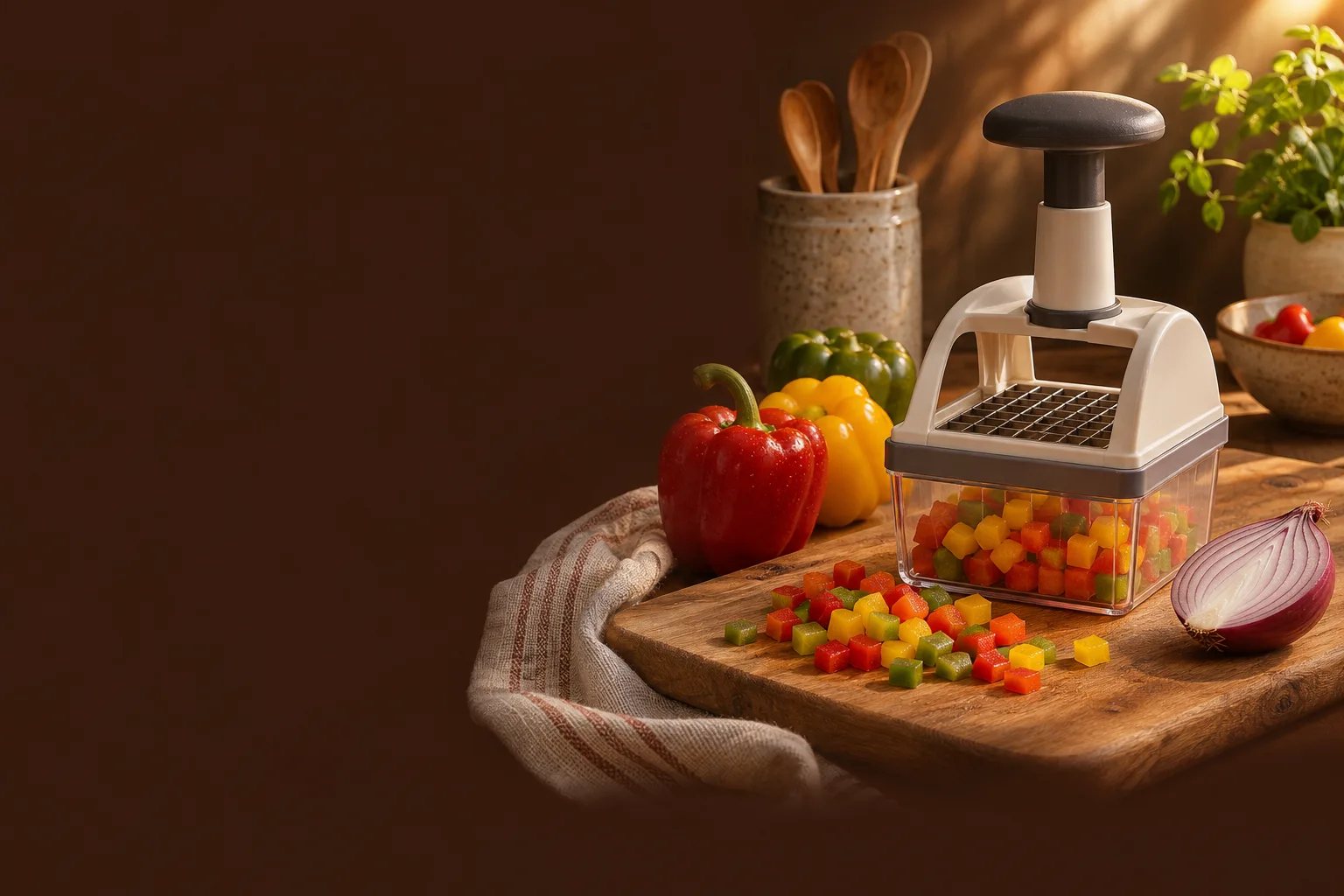
Look at the dishes you expect to cook before chopping everything in the drawer. A carrot for soup might be diced small; one for roasting can be cut into larger pieces. Thin strips of pepper cook quickly in a pan, while larger pieces hold their shape on a tray. The best cut is the one that suits the cooking method and makes pieces of similar thickness finish at roughly the same time.
Group vegetables by the task, not only by the type. Wash what needs washing, then cut the items for tonight's meal. If you have extra time, prepare a small second batch for a meal in the next day or two. Leaving some vegetables whole can preserve quality better than cutting an entire week's supply at once. The University of Minnesota Extension's produce guidance gives safety and quality advice for washed and cut produce.
Set out containers before cutting. Label each with the contents and date if you will not use it immediately. A clear container makes it easier to see what is available; a shallow one lets pieces cool or chill efficiently. Keep dressings and sauces separate until serving so the vegetables stay suited to several dishes.
Wash produce before peeling or slicing
Wash your hands first, then rinse whole produce under running water. The FDA says to wash produce before cutting or peeling so a knife does not carry dirt from the outside into the edible portion. Scrub firm items such as cucumbers with a clean produce brush and dry them with a clean towel or paper towel.
Do not wash fruit or vegetables with soap, detergent or a commercial produce wash. The FDA does not recommend those products for this purpose. Some packaged greens are labelled pre-washed or ready to eat; follow the package rather than automatically washing them again on a dirty work surface. Discard produce that looks rotten and trim bruised or damaged areas as the FDA advises.
Keep raw meat, poultry and seafood away from vegetables you may eat uncooked. Use separate boards if possible, or wash the board and utensils thoroughly between tasks. Put washed vegetables in a clean bowl rather than back into the unwashed sink or shopping bag. A tidy sequence saves more effort than having to clean everything twice.
Make the cutting station stable
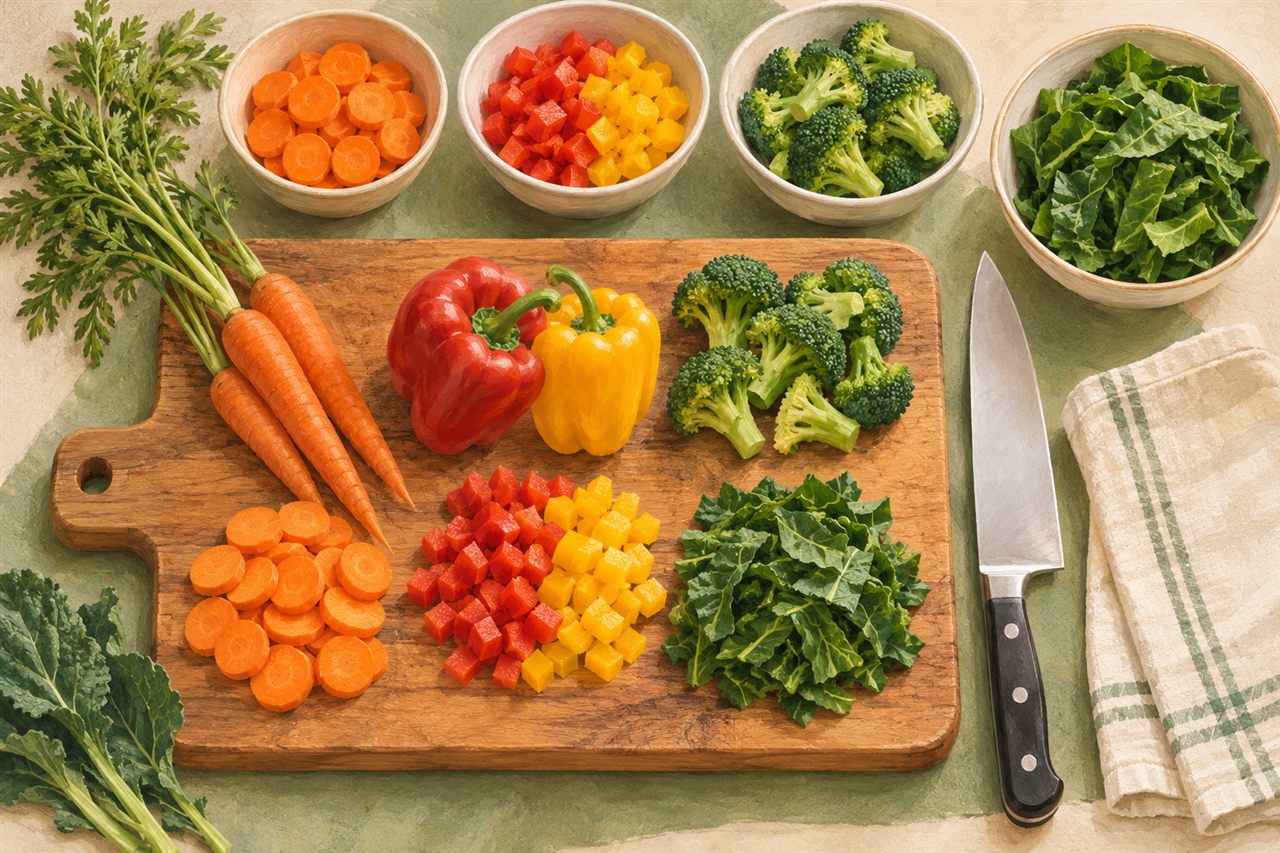
Put a damp towel or nonslip mat under a board that tends to move. Place the board at a comfortable height with room for whole vegetables on one side and cut pieces on the other. A sharp, well-maintained knife usually gives you more control than a blunt one that needs extra force. Keep the blade pointed away from other people and lay it flat when you pause.
Cut a small flat side on a round item when the recipe allows, then rest it on that side before making more cuts. Work slowly enough to keep fingertips behind the blade. If a vegetable is awkward or very hard, choose a smaller piece or a tool intended for it. A gadget can help with repeated tasks, but it adds parts to wash and may not suit every shape. Our vegetable chopper guide may help if chopping is a frequent bottleneck.
Keep a bowl or compost container for peels and trimmings so the board does not fill up. Move the finished pieces to a clean bowl before starting the next vegetable. That prevents a pile from sliding under the knife and lets you see whether the pieces are consistent enough for the dish.
Choose a cut that helps the cooking method
For a quick sauté, aim for pieces that can contact the pan without piling too deep. Thin strips and small dice cook faster than thick wedges, so put the slower vegetables in first if a recipe calls for it. For roasting, spread pieces on a tray with space between them. A crowded tray traps steam and makes browning harder. Cut dense vegetables smaller than soft ones if they need to finish together.
For soup, consistency matters more than perfect geometry. Pieces of similar size cook at a similar pace and are easier to serve. For a raw salad, think about bite size and texture: thin cabbage, small cucumber slices or grated carrot can be easier to eat than large chunks. Follow the recipe when it specifies a cut; the choice often relates to cooking time or how the sauce coats the food.
If you use a mandoline or slicer, follow its guard and setup instructions. Speed is not worth a hand injury. A knife and board are enough for most daily meals. Keep one or two cuts you can make confidently, then add more as you cook different recipes.
Store the prepared vegetables safely
Refrigerate cut produce promptly in clean containers. The FDA recommends a refrigerator at 40°F (4°C) or below for perishable produce and says pre-cut packaged items should be refrigerated. The Minnesota Extension guidance advises using cut or cooked produce within seven days for quality and safety. Some delicate vegetables will lose their best texture sooner, so plan meals around what you cut first.
Dry washed leaves before storing if the dish needs them crisp. Keep very wet cut vegetables in a container that can be drained, and avoid squeezing a large quantity into a tiny box. For a ready-to-eat salad, store any protein or dressing separately when the recipe calls for it. Label the container so it is used, not forgotten.
If you want to preserve a seasonal surplus for much later, freezing is a different project from ordinary meal prep. Illinois Extension's vegetable preservation guidance explains why many vegetables are blanched before freezing and why the timing depends on the vegetable. Do not assume that raw chopped vegetables will freeze with the same texture as a prepared freezer product.
Turn one prep session into several meals
Choose a small set of vegetables that can go in more than one direction. Chopped onion and pepper might start a tomato sauce or a skillet meal. Washed greens can become a salad or be added at the end of a soup. Keep seasoning separate until cooking so the same prepared vegetables can suit different cuisines.
Write a short plan on the container or fridge: 'pepper for Wednesday stir-fry' is more useful than a box of anonymous pieces. Prep enough to remove the most tiring step from tomorrow's meal, not so much that you resent the chopping. A five-minute wash and cut can be a success if it makes the next meal easier.
Use the trimmings wisely, but do not feel obliged to save every peel. Clean, suitable scraps can contribute to stock if you will use them soon; spoiled parts should be discarded. If you want a vegetable-focused meal with another staple, our homemade tofu guide explains how tofu is made and handled safely.
Vegetable prep questions
Should I wash vegetables before storing them?
Follow the package or produce-specific storage guidance. For cooking, wash whole produce before cutting. If you prep ahead, dry items that need to stay crisp and refrigerate the cut pieces promptly. Washing everything days early can leave some delicate produce wetter and less appealing.
Can I use soap on produce?
No. The FDA recommends running water and, for firm produce, a clean brush. Soap and detergent are not recommended for fruit and vegetables. Wash your hands and equipment with soap, then rinse the produce itself under water.
How far ahead should I chop?
Let the meal plan and vegetable guide the answer. A sturdy carrot may hold its texture better than a delicate herb. Make a manageable amount, refrigerate it and use cut produce within the applicable safety guidance. If the quality drops before you use it, prep a smaller batch next time.
Do all vegetables need the same cut size?
No. Similar pieces of the same vegetable usually cook more evenly, but dense carrots and soft peppers may need different cuts in the same dish. Use the recipe's target size and consider when each ingredient enters the pan. Evenness within each group matters more than identical shapes across the whole meal.